8eee slots mechanics rules reading

Slots on 8eee: theme, rhythm, and clear game reading

In slots, the visual design catches the eye first, but useful reading starts with the rules. On 8eee, the editorial eye follows what changes from one session to another: theme, symbol structure, special features, and the way each game asks for attention. No loose promises. The focus is on understanding what is on the screen and what that can mean for someone who plays calmly.

Four readings that help separate similar games

Two slots may look close on the cover, but offer very different sensations once the session starts. 8eee works through that difference with simple criteria to follow.

①Visual mood

Theme that matches the session

There are slots with fantasy, fruits, gemstones, or more urban references. The theme is not just decoration: it helps predict the game’s language and the kind of reading that comes next.

How to read the theme before playing

In slots, the theme works as a practical clue to understand the pace of the experience. When the art uses adventure elements, mythology, pop culture, or classic symbols, there is usually a visual logic that also appears in the animations, sounds, and the way features are presented. Observing this before starting helps avoid impulse choices and makes it easier to see whether the game matches what you are looking for at that moment.

Another useful point is separating theme from mechanics. Two games may look similar at first glance, but offer very different structures in symbol distribution, special rounds, and panel reading. That is why it is worth looking at the whole package: visual identity, interface clarity, and the way the game organizes its elements. When these details speak to each other, navigation tends to be more intuitive and the session less confusing.

It is also important to notice how the theme influences the player’s attention. Some slots use strong colors, fast movements, and constant effects to create immediate impact; others prefer a cleaner presentation, with a focus on large symbols and more visible information. This difference changes the way you follow the result of each spin and can help you choose an option that is more comfortable for your reading style.

For those who like to compare games calmly, analyzing the theme together with the home screen and menus is a simple and useful practice. That is usually where you can see whether the slot values narrative immersion more or objectivity in data presentation. In a session with many visual elements, the clarity of the indicators makes a difference, because it lets you better identify what is just decoration and what is really part of the game’s dynamics.

The theme can also serve as an expectation filter. If the aesthetic suggests something lighter and more relaxed, the experience usually follows that line; if the proposal is more intense or darker, the mood changes along with the reading of the symbols and transitions. Understanding this relationship avoids frustration, because you start choosing based on the kind of atmosphere you want to follow, not just the cover look.

In the end, observing the theme is a way to play more consciously from the first contact. Instead of treating the art as a secondary detail, it is worth seeing it as part of the slot’s structure, together with the visual features and the interface organization. This initial reading does not replace the analysis of the game itself, but it already offers a clearer starting point for deciding whether that session makes sense for you.

②Structure

How the symbols behave

The mechanic shows whether the game follows a more direct line or adds cascades, expanding symbols, multipliers, and extra rounds. That is where the session gains its own rhythm.

③Reading

Rules before the rush

Reading the rules avoids confusion with features that seem the same but work differently. The right detail changes expectations and the way you follow the game.

④Choice

Session preference

Not every slot asks for the same approach. Some favor patient observation; others are more direct. Understanding this helps you choose with less noise.

What to observe in a slot without getting lost in the excess

The reading becomes more useful when it moves beyond the generic. Instead of looking for “the best,” it is worth comparing concrete elements and seeing how they change the experience.

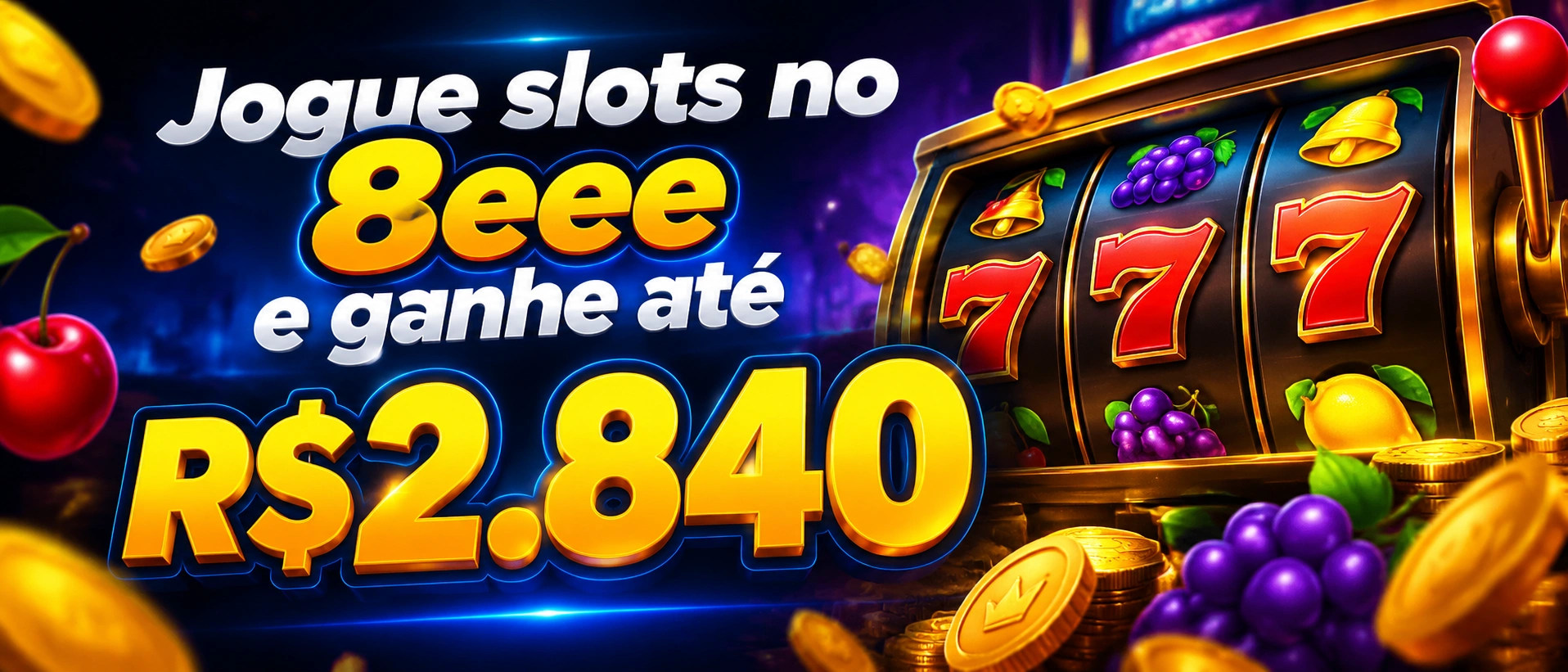
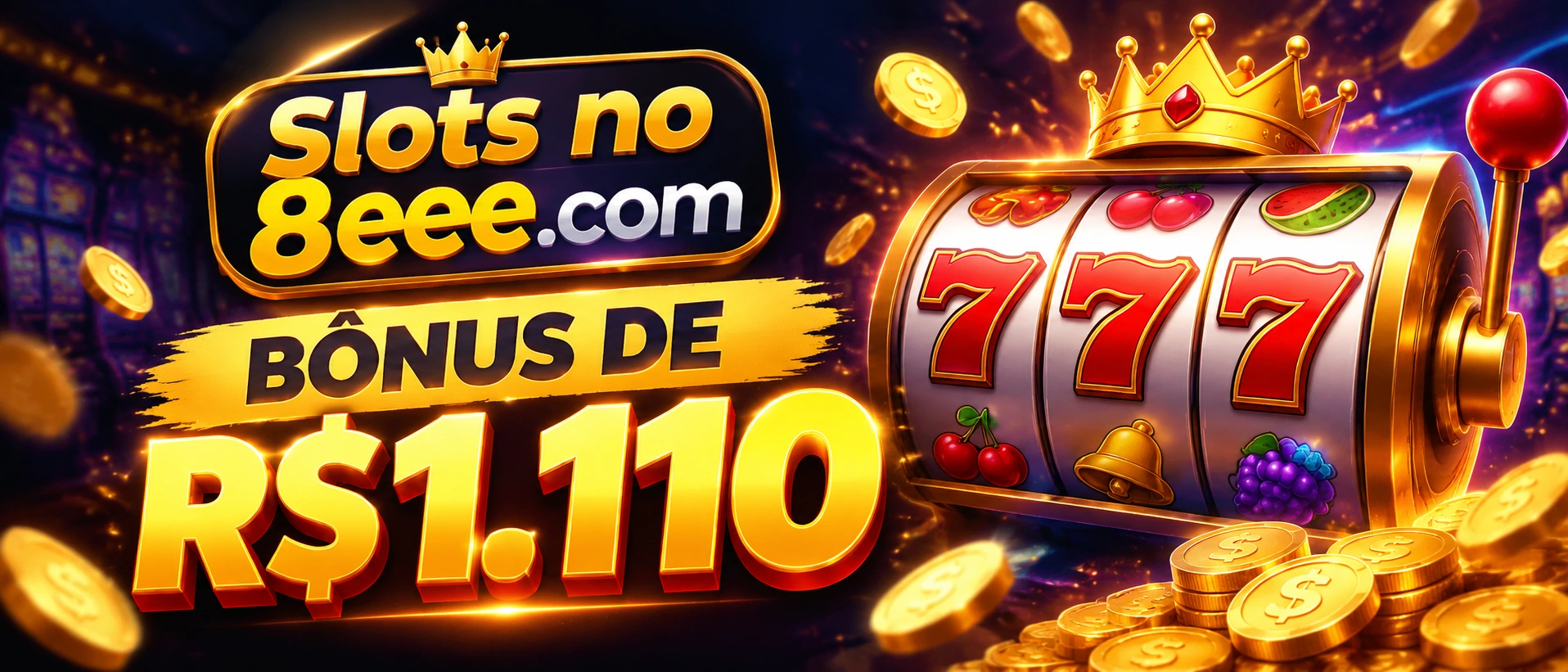
8eee slots banner
  • ✦
    Theme and quick reading

    The visual opens the door, but the rules text says what really matters. When the theme is strong, the temptation is to look only at the cover; 8eee prefers to go further and read the game’s behavior.

  • ✦
    Mechanics and rhythm

    A slot with cascades does not give the same feeling as a more static slot. The rhythm changes, the reading changes, and attention changes too.

  • ✦
    Special features

    Additional symbols, multipliers, and extra rounds need to be understood in the context of the game, not just by the nice name they have on the screen.

  • ✦
    Realistic expectation

    The best reading is the one that reduces noise. Instead of imagining results, it is worth observing how the slot behaves and deciding whether that style matches the moment.

Practical criteria for comparing slots

After looking at the theme and features, the next step is to separate what is visual detail from what really affects the session. It is worth noting how often information appears on the screen, whether the game requires a lot of reading to understand each round, and whether the interface helps or hinders attention. In a slot, too much animation can hide important data, while a cleaner presentation makes it easier to see what is happening without rushing.

Another useful point is to notice how the game organizes the symbols and winning paths. A more eye-catching slot is not always easier to follow, and a discreet layout does not always mean little depth. What matters is understanding whether the structure allows quick reading, whether the elements repeat coherently, and whether the experience stays clear even after a few rounds, when the initial shine has already faded.

It also helps to compare the role of extra features within the overall dynamic. A bonus may sound interesting in name, but it only makes sense when it fits the slot's pace and the way the rounds unfold. If the mechanic depends too much on visual surprises, the reading can become confusing; if everything is too predictable, the game loses variety. The balance between clarity and novelty usually says a lot about the quality of the experience.

In practice, observing a slot without exaggeration means asking what it delivers consistently. This includes the way elements repeat, how the game signals changes, and whether the visual feedback matches the stated proposal. When the analysis stays objective, it becomes easier to avoid hasty impressions and compare options based on how they actually work, not just on appearance or the implied promise of the design.

Finally, it is worth remembering that the best choice is the one that matches your way of following the screen. Some games demand more attention to detail, while others work better for those who want simple, direct reading. Instead of looking for a single answer, the most useful path is to identify which signals help you understand the session with less noise, more visual comfort, and a clearer sense of what to expect from each round.

Images in context, without turning into a loose showcase

The images below appear alongside the reading, to keep the link between appearance, structure, and interpretation. Each one keeps the same preserved external destination.

On slot pages, the image only makes sense when it speaks with the surrounding text. Here, it enters as a visual reference to compare theme, composition, and the tone of the experience.

Questions that often come up when reading slots

What matters more: theme or mechanic?

Both matter, but at different moments. The theme catches the eye; the mechanic shows how the game really works. When the two match, the reading becomes clearer.

Why read the rules before playing?

Because similar features can act in different ways. Reading the rules helps avoid assumptions and gives a better sense of what to expect from each slot.

Is every slot with many effects more complex?

Not always. Sometimes the game only seems overloaded because of the visuals. What defines complexity is the combination of symbols, features, and the way the game progresses.

How does 8eee handle this topic?

With direct language and editorial focus. The goal is to explain what is on the screen, without promising results, without exaggeration, and without pushing empty reading.

A simple way to read slots more calmly

Good reading does not chase effects. It looks at theme, mechanic, and rules on the same level. When this trio is clear, the slot stops seeming like a sequence of scattered stimuli and starts showing its own logic.
1See the theme

Identify the game's mood and notice whether it matches the kind of session you want to follow.

2Read the mechanic

Try to understand how the symbols move, which features appear, and what changes in the slot's pace.

3Confirm the rules

Check how it works before interpreting the game by its visuals or by a quick impression.

4Compare carefully

If two slots seem close, compare what each one actually delivers. That is where the difference appears.

Terms that help navigate the topic

8eee slots theme mechanic volatility paylines special symbols extra rounds responsible gaming rules reading
English (Philippines)