In live casino, the broadcast creates an extra layer of observation. The person is not only following cards, roulette, or chips; they are also following the choreography of the table, the dealer’s gestures, and the way the layout delivers information without confusion.
This kind of content makes sense for anyone who likes to see the game happening before their eyes. The experience becomes clearer when the table is read calmly, without trying to extract meaning from every isolated detail. First comes the big picture. Then, the smaller signs.
That is why 8eee treats live casino as a subject for editorial observation. The idea is simple: separate what helps you understand the table from what only fills the screen.
How to observe the table without getting lost in the details
Reading the table starts with visual organization. Before thinking about the result, it is worth noting where the key information is, such as the pace of the round, the arrangement of the elements, and the space given to the main action. When the broadcast is well distributed, it becomes easier to follow what matters without having to hunt for data on the screen. This care helps keep attention on the flow of the game, not on noise that only tires the observer.
Another useful point is noticing the dealer’s role within the broadcast. They do more than conduct the round; they also help mark the table’s timing and make the flow easier to read. Gestures, pauses, and visual confirmations create a kind of reference for whoever is watching. This does not mean interpreting every movement as a special sign, but understanding that human presence changes the reading and gives shape to what appears on the screen.
The table also changes depending on how much information is shown at the same time. When many elements compete for attention, the reading can feel heavy and less intuitive. In cleaner broadcasts, the person can follow the action with less effort and better perceive the sequence of events. That is why observing the clarity of the framing is just as important as looking at the game itself.
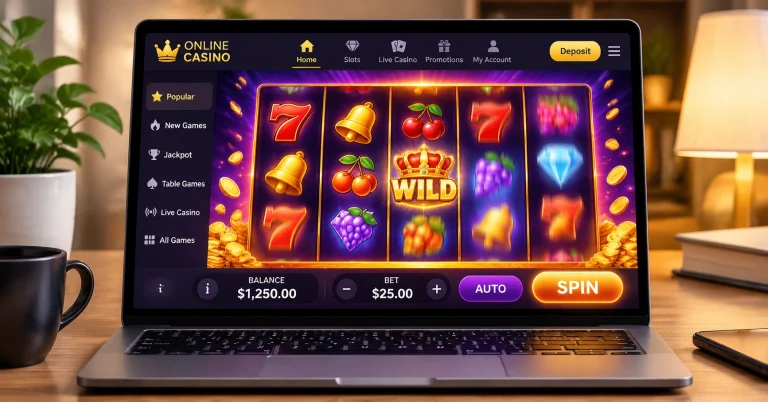
It is worth noting that the live experience does not depend only on the main image. The way the interface presents buttons, history, and support areas affects overall understanding. If everything is visible but poorly prioritized, the table seems more confusing than it really is. When information comes in well-separated blocks, the reading feels more natural and following along becomes less tiring.
It also makes a difference to avoid rushing to conclusions. In live games, the repetition of the same dynamic can fool anyone who looks too quickly. The best approach is to follow a few rounds while paying attention to the table’s pattern, without turning an isolated detail into a rule. This stance makes the reading more stable and reduces the chance of overestimating signs that, in practice, are only part of the normal flow.
In the end, observing the table is an exercise in focus. The clearer the broadcast, the easier it is to separate useful movement from visual excess. This helps you understand the environment as it is shown, without creating expectations beyond what the scene actually delivers. For those who read calmly, live casino stops seeming like a block of stimuli and starts working as an organized sequence of information.